A home should support the way people live every day. It should make routines easier, create comfortable spaces for family and guests, and feel connected to the homeowner’s lifestyle. Over time, however, even a well-loved home can begin to feel out of step with the people living in it. A kitchen may no longer provide enough storage or counter space. A bathroom may feel cramped or dated. A main floor may feel divided when the family wants a more open layout. In other cases, the entire home may need a more complete update to feel modern, practical, and comfortable again.
This is where renovation becomes more than a cosmetic project. A strong renovation is not only about changing colours, replacing cabinets, or adding new flooring. It is about improving how the home functions. It should solve problems, create better flow, improve storage, add comfort, and make the home feel more personal. When the process is planned carefully, homeowners can turn an outdated or difficult space into one that feels easier to use and more enjoyable every day.
For homeowners looking at custom home renovation planning, the most important step is understanding what the renovation needs to accomplish. Every home has different challenges. Some need better room connections, while others need improved lighting, smarter storage, or a more efficient layout. A renovation that starts with these real needs will usually create a more successful result than one focused only on surface updates.
Understanding the Purpose Behind the Renovation
Before any construction begins, homeowners should take time to think about why they want to renovate. The answer may seem simple at first. A kitchen is old. A bathroom needs updating. The basement is unfinished. The home no longer feels modern. But behind those surface reasons, there are usually deeper needs.
A kitchen renovation may really be about creating a better gathering space for family and friends. A bathroom renovation may be about making mornings less stressful or creating a more relaxing retreat at the end of the day. A full-home renovation may be about making the property work for a growing family, aging in place, working from home, or entertaining more comfortably.
When the purpose is clear, every design decision becomes easier. Layout, materials, lighting, cabinetry, fixtures, and finishes can all be selected with the same goal in mind. Without this clarity, homeowners may choose attractive features that do not actually improve the way the home works.
Good renovation planning should ask practical questions. How does the family use the space now? What feels frustrating? Where does clutter build up? What areas feel too dark, too tight, or disconnected? Which spaces are used the most? What should the home feel like in five or ten years? These questions help guide the project toward long-term value.
Why Layout Should Come Before Finishes
Finishes are often the most exciting part of a renovation. Homeowners enjoy choosing countertops, flooring, tile, lighting, hardware, paint colours, and cabinetry styles. These choices shape the final look of the space, but they should not come before layout planning.
The layout determines how the space works. A kitchen with beautiful cabinets can still feel frustrating if the appliance placement is awkward. A bathroom with expensive tile can still feel uncomfortable if the shower, vanity, and toilet are poorly arranged. A living room can look updated but still feel disconnected if the overall floor plan does not support movement and conversation.
In many renovations, improving the layout creates the biggest transformation. Removing or adjusting a wall can bring more light into the home. Reworking a kitchen can create better traffic flow and more useful preparation space. Moving a doorway can improve the connection between rooms. Adding custom storage can make a space feel cleaner and more organized.
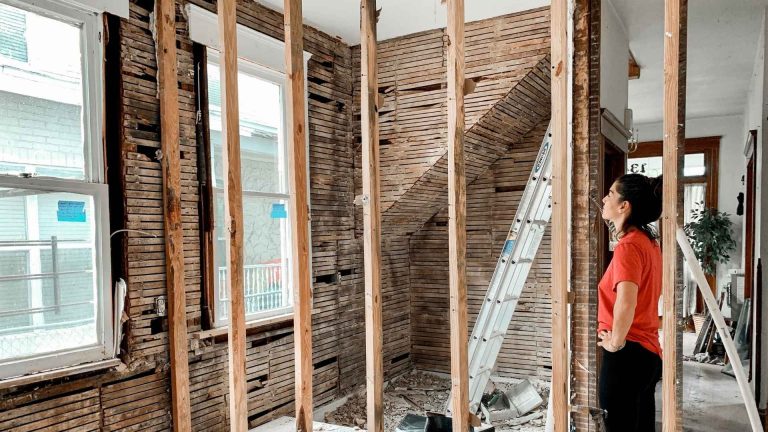
Older homes often have layouts that were designed for a different way of living. Smaller rooms, limited storage, closed-off kitchens, and narrow transitions may not fit modern family needs. Renovation gives homeowners the chance to rethink these areas and create a layout that better supports daily life.
The Importance of a Connected Design and Build Process
A renovation requires many decisions, and those decisions are connected. A design choice can affect construction costs. A material selection can affect the timeline. A layout change can affect plumbing, electrical, structural work, and permits. When these parts are not managed together, homeowners may face confusion, delays, or unexpected expenses.
This is why many homeowners prefer working with a team that understands both design and construction. A connected process allows the project to be planned with real-world building details in mind. Instead of designing a space first and discovering later that it does not match the budget or structure of the home, the design and construction sides can be considered together from the beginning.
Professional design build renovation services can help homeowners move through the process with more confidence. The planning stage can include layout ideas, material direction, budget expectations, construction details, and project coordination. This creates a stronger foundation before work begins.
A design-build approach is especially useful for larger projects such as kitchens, bathrooms, main-floor renovations, basement developments, and whole-home updates. These projects often involve several trades and many moving pieces. When the team is aligned, the homeowner does not have to manage separate professionals who may not be working from the same plan.
Kitchen Renovations Need Practical Design
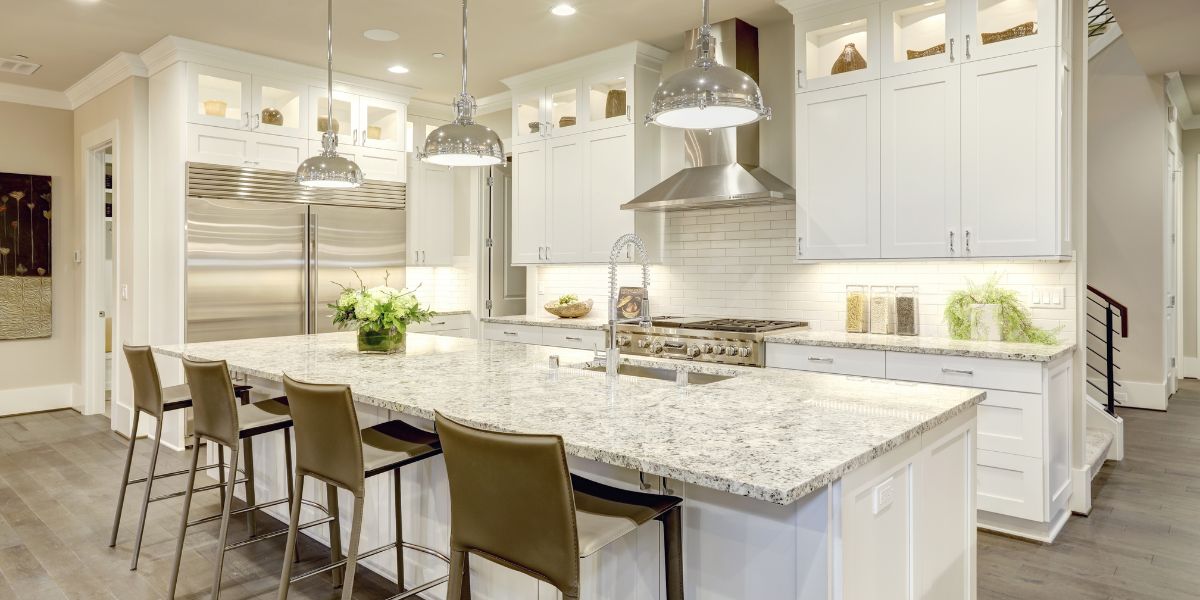
The kitchen is one of the most important rooms in the home. It is where meals are prepared, conversations happen, guests gather, and daily routines often begin and end. Because the kitchen is used so heavily, its design needs to balance beauty with function.
A good kitchen renovation should consider how the homeowner cooks, stores food, cleans, entertains, and moves through the space. Counter space, cabinet organization, appliance placement, lighting, seating, and traffic flow all matter. A kitchen that looks beautiful but lacks storage or has poor movement can still become frustrating.
Many homeowners want a more open and connected kitchen. This can make the home feel brighter and more social, but it needs to be planned carefully. Removing walls, changing appliance locations, adding an island, or expanding storage can affect electrical, plumbing, structural, and ventilation needs. Good planning helps make sure the final kitchen is both attractive and practical.
Storage is another major part of kitchen design. Deep drawers, pull-out organizers, pantry solutions, and custom cabinetry can make a large difference in how the space functions. Instead of cluttered counters and crowded cabinets, homeowners can enjoy a kitchen that feels organized and easier to use.
Bathroom Renovations Should Improve Comfort
Bathrooms may be smaller than other rooms, but they require careful planning. A bathroom renovation needs to manage moisture, lighting, storage, ventilation, fixture placement, and daily comfort. Small mistakes can affect how the room functions for years.
A successful bathroom renovation should make the space feel more comfortable and efficient. This may include a larger shower, better vanity storage, improved lighting, updated tile, stronger ventilation, or a more practical layout. In a primary ensuite, the goal may be to create a calm and private retreat. In a family bathroom, durability and storage may be more important.
Materials also matter in bathrooms. Tile, grout, fixtures, cabinetry, and surfaces need to handle regular moisture and daily use. A beautiful bathroom should also be built to last. Proper installation and waterproofing are essential because poor workmanship can lead to costly problems later.
Lighting is another important detail. A bathroom needs functional lighting for grooming, but it can also benefit from softer lighting that creates a more relaxing feel. When lighting, layout, and finishes work together, the bathroom becomes much more enjoyable to use.
Full-Home Renovations Require a Bigger Vision
A full-home renovation is different from updating one room. It requires a broader vision so the entire home feels cohesive. Flooring, trim, colours, lighting, cabinetry, room transitions, and layout changes should all work together. Without a clear plan, the home can feel like a collection of separate updates rather than one complete transformation.
Whole-home renovations are often done when the property has strong potential but no longer fits the homeowner’s needs. The structure may be solid, the location may be ideal, and the family may love the neighbourhood, but the interior may feel outdated or inefficient. Renovation allows homeowners to keep what they value while improving the spaces that no longer work.
These projects also require strong project management. Multiple rooms may be affected at once. Trades need to be scheduled properly. Materials need to arrive on time. Homeowners need to understand the order of work and the decisions required along the way. A clear process helps keep the project organized and reduces unnecessary stress.
Materials Should Support the Lifestyle of the Home
Material selection should be guided by both style and practicality. A busy family home needs surfaces that can handle daily use. A couple renovating for a more refined lifestyle may prioritize custom finishes and details. A homeowner planning to stay long term may want timeless materials that will not feel outdated quickly.
Flooring, countertops, cabinetry, tile, hardware, and lighting all influence the final feel of the renovation. These selections should work together rather than compete. A balanced design feels intentional, with each material supporting the overall style of the home.
Durability is just as important as appearance. The wrong materials may look good at first but become difficult to maintain. A renovation team can help homeowners choose options that match the way they live, not just the way they want the space to look in photos.
Craftsmanship Brings the Design to Life
A renovation is only as strong as the workmanship behind it. Even a beautiful design can feel disappointing if the details are poorly finished. Cabinet alignment, tile layout, trim work, flooring transitions, lighting placement, and paint quality all affect the final result.
Renovation work often involves challenges that are not visible at the beginning. Older homes may have uneven floors, hidden plumbing issues, outdated electrical systems, or framing that needs adjustment. Skilled professionals know how to work through these conditions while still protecting the design intent.
Good craftsmanship creates a finished space that feels polished and lasting. It is visible in the small details homeowners notice every day. Clean lines, smooth transitions, solid installation, and careful finishing all help the renovation feel high quality.
Communication Helps Reduce Renovation Stress
Home renovation can feel overwhelming when homeowners do not know what to expect. Clear communication makes the process easier. Homeowners should understand the timeline, major project stages, decision deadlines, and any changes that come up during construction.
A strong renovation team keeps the homeowner informed without making them responsible for managing every detail. This balance is important. Homeowners should feel involved in the decisions that shape their home, but they should also be able to trust the team to coordinate the work properly.
Good communication also helps avoid misunderstandings. Since renovation projects involve many details, clear expectations can prevent small issues from becoming larger problems. When everyone is working from the same plan, the process feels more controlled.
Choosing the Right Renovation Partner
The right renovation partner helps homeowners turn ideas into a clear and realistic plan. They understand design, construction, materials, budgeting, scheduling, and craftsmanship. They also understand that renovating a home is personal. It affects the space where people live, relax, gather, and build memories.
For homeowners who want a thoughtful and organized renovation experience, Rusch Design Build offers the kind of planning and construction approach that can help bring a home vision to life. A successful renovation should not only update the home’s appearance. It should improve how the home feels and functions every day.
When layout, design, materials, workmanship, and communication all come together, the result is a home that better supports the people living in it. With the right plan and the right team, a renovation can transform an outdated space into a more comfortable, practical, and beautiful place to live.