Understanding the Impact of Sudden Downpours
Sudden heavy rain can cause immediate and severe stress on roofing systems. Water can accumulate quickly, leading to leaks, structural weakening, and even interior damage. Many roofs are not built to handle the rapid water load brought by extreme weather, making timely response essential.
When rain pours heavily, water can find its way through small cracks, worn shingles, or loose flashing. Without fast action, even minor issues can escalate into serious damage, including mold growth and electrical hazards. Being prepared and knowing how to act fast is the first step toward protecting your home.
Immediate Steps to Mitigate Damage
Identify and Contain Interior Leaks
The first response should always be to locate where the water is entering. This might not be directly under the point of the roof damage, as water often travels before dripping. Place containers under leaks to catch water and reduce damage to flooring and furniture.
Use towels to soak up any spread and try to protect electronics or valuables. If a ceiling starts to sag due to pooling water, it can be punctured cautiously to relieve pressure. This should be done with extreme care and only if necessary.
Apply Temporary Roofing Solutions
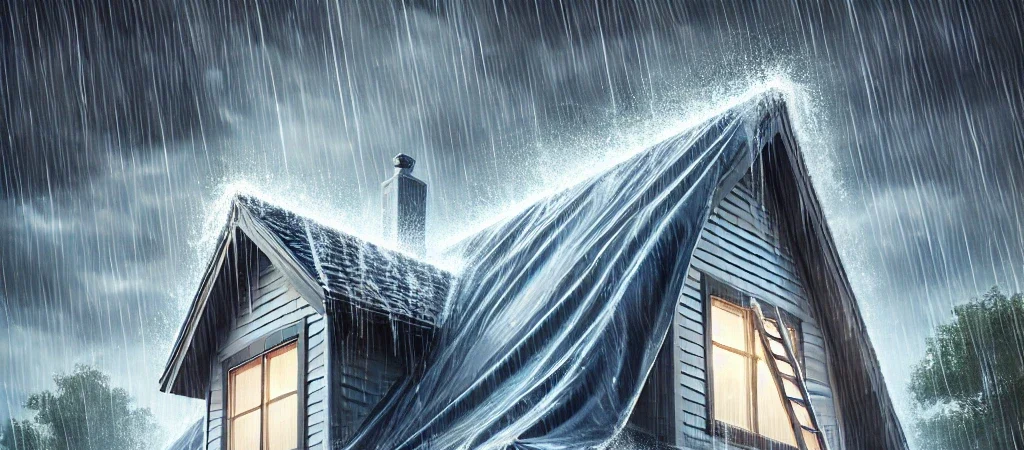
Using a heavy-duty tarp is an effective short-term measure. Secure it tightly over the damaged area, making sure it covers a wide margin around the breach. Avoid waiting for clear skies—work carefully during light rain if needed, but never climb onto a slippery roof if it’s unsafe.
This prevents additional rain from worsening the problem until a permanent fix can be arranged. Fastening the tarp with nails, sandbags, or other weights helps ensure it stays in place even during continued rainfall or strong winds.
Document the Damage
Take clear photos of any interior leaks, visible roofing damage, or water-stained surfaces. This documentation is vital if an insurance claim becomes necessary. It’s also helpful for roofing specialists to better understand the issue before arriving, allowing them to bring the correct materials or equipment.
Detailed records can prevent disputes during claims and assist with scheduling accurate repair estimates.
Professional Repair and Maintenance
While temporary fixes can help, professional repairs are the only long-term solution. A complete inspection by a qualified roofing expert helps uncover hidden issues that may not be immediately visible.
For those in the Melbourne area, relying on trusted professionals for roof repairs Melbourne ensures you receive quality service designed to handle the local climate’s challenges.
Comprehensive Roof Inspection
Experts will check more than just the surface. They assess shingles, flashing, gutter systems, underlayment, and ventilation. These components work together to keep water out, and failure in one area often affects the rest.
An inspection also includes checking inside the attic or ceiling space for moisture, mildew, or structural soft spots.
Regular Maintenance
Preventive maintenance can extend the life of a roof by many years. Clear debris from gutters regularly, especially before forecasted storms. Ensure water can freely flow away from the house foundation and not back under shingles.
Inspections should happen at least twice per year, with extra checks after major storms. This helps catch problems early, when repairs are easier and less expensive.
Preventive Measures for Future Protection
Install Proper Drainage Systems
A functioning gutter and downspout system is essential. Water needs a clear path off the roof and away from the building. When gutters are blocked, water overflows, runs down exterior walls, and pools around the foundation, leading to additional structural issues.
Installing gutter guards can reduce how often cleaning is needed and help maintain smooth drainage even during heavy rain.
Trim Overhanging Branches
Tree limbs that hang over a roof pose a double risk. First, they can break during high winds or storms and cause direct impact damage. Second, they drop leaves and debris that clog gutters.
Regular trimming keeps the area above your roof clear. It also allows sunlight to reach the roof surface, helping to dry it faster and reduce moss or algae buildup.
Use High-Quality Roofing Materials
Choosing the right materials makes a difference. Metal roofing, asphalt shingles rated for high wind and rain, or waterproof membranes can withstand harsh conditions better than older, worn-out materials.
When replacing a roof, ask about products that meet storm-resistance standards for your location. Investing in better materials now can save thousands in emergency repairs later.
Resilience Starts With Preparation
A strong, well-maintained roof is one of the best defenses against sudden weather changes. Taking fast action during a storm can reduce long-term damage. However, preparation before the first drop of rain is what truly protects a home.
Regular inspections, professional repairs, and smart design choices all work together to keep water out and preserve your home’s structure. Stay informed, stay ready, and make your roof a priority before the next storm hits.