Effective preventive maintenance isn’t just about fixing problems—it’s about anticipating them. District Realty’s comprehensive guide outlines how a proactive maintenance strategy can reduce repair costs, improve tenant satisfaction, and prolong the life of your assets. With careful planning, routine inspections, and strategic investments, you’ll build a resilient property portfolio that performs long-term.
Why Preventive Maintenance Is a Game Changer
Preventive maintenance involves scheduled, systematic inspections and upkeep before failures occur. Unlike reactive maintenance—which can lead to emergency repairs, prolonged downtimes, and higher expenses—a proactive approach saves money, safeguards tenant comfort, and protects your property’s value. District Realty data shows that every $1 spent on preventive care can save up to $4 in future repairs.
Crafting a Maintenance Roadmap
Developing a structured roadmap is your first step. It ensures consistency, accountability, and clear communication across your management team and vendors.
Inventory Every Asset
List all equipment and systems—HVAC units, roof components, plumbing, elevators, fire safety devices, and exterior surfaces. Record model numbers, warranties, maintenance histories, and recommended inspection frequencies to build a central reference.
Create a Preventive Calendar
Assign checks by frequency: monthly (fire alarms, sump pumps), quarterly (pest control, HVAC filters), bi-annually (roof inspections, gutter cleaning), and annually (chimney checks, pressure testing). Use calendar software to trigger reminders and monitor completion.
Define Responsibilities**
Define who handles what: on-site staff, third-party contractors, or a hybrid model. For consistency, outsource specialized tasks—like HVAC servicing or elevator inspections—to certified professionals.
Inspection & Monitoring Best Practices
Inspections identify early wear and tear, reducing risk of structural damage or tenant inconvenience.
Standardize Inspection Templates
Develop digital checklists for each inspection type. Include key items like fluid levels, hardware integrity, safety compliance, wear indicators, and performance tests. Digital formats help ensure consistency and data tracking.
Use Condition-Based Monitoring
Install sensors—such as water leak detectors, smart thermostats, and electrical load monitors—to provide real-time alerts. This empowers timely action before minor issues escalate.
Document Findings Thoroughly
Record issues with photos, descriptions, due dates, and responsible parties. Use property management software to create tickets, track resolution steps, and log maintenance records.
Routine Maintenance That Pays Off
Routine tasks may seem trivial, but they prevent costly breakdowns and ensure regulatory compliance.
HVAC & Climate Control
Change filters monthly or quarterly, clean coils, and test thermostats. Schedule professional servicing before peak seasons. Well-maintained systems reduce energy costs and ensure tenant comfort.
Roof & Exterior Upkeep
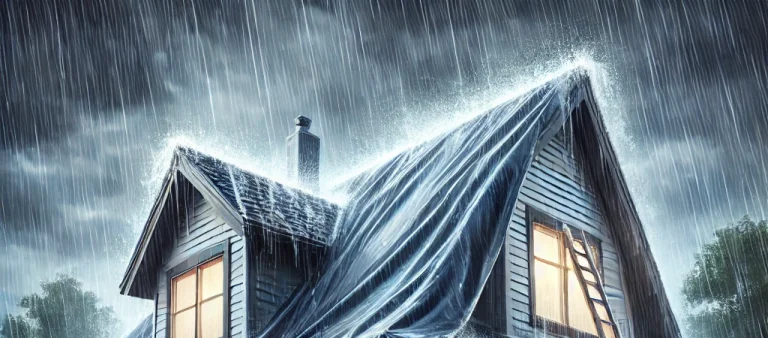
Check for damaged shingles, clogged gutters, and fascia deterioration at least twice a year. Repair cracks and clear debris promptly to avoid water damage and structural issues.
Plumbing & Water Safety
Inspect for leaks, corrosion, and proper drainage quarterly. Flush water heaters and test shut-off valves annually. Preventing small leaks avoids mold growth and water damage.
Life-Safety Systems
Test smoke alarms, CO detectors, and emergency lighting monthly. Arrange yearly inspections for sprinkler systems and fire extinguishers. Compliance protects tenants and avoids legal fines.
Common Areas & Amenities
Keep hallways clean, clear, and well-lit. Inspect flooring, railings, furniture, and signage regularly. Attend to landscaping and exterior lighting—well-kept infrastructure enhances curb appeal and tenant satisfaction.
Leveraging Technology for Efficiency
Property management software transforms preventive maintenance into a streamlined, scalable process.
Use CMMS or Maintenance Modules
Computerized Maintenance Management Systems automate schedules, track workflows, and generate reports. They reduce oversight, emphasize accountability, and highlight performance trends.
Set Up Mobile Access for Staff & Vendors
Enable mobile apps so maintenance crews can access checklists, log actions, and upload photos on the go—eliminating paper forms and speeding issue resolution.
Track KPIs to Measure Impact
Monitor key metrics: number of preventive tasks completed, average response time, cost per task, tenant satisfaction scores, and system downtime. Use these insights to refine schedules and optimize expenditures.
Cost Management & Budget Planning
Preventive maintenance is an upfront investment that pays dividends over time—but it does require thoughtful budgeting.
Forecast Annual Maintenance Costs
Estimate aging system replacement timelines and scale inspections accordingly. Break budgets down by asset group—HVAC, roofing, plumbing—and allocate reserves for replacements.
Plan for Unexpected Repairs
Maintain contingency reserves—typically 5–10% of the total maintenance budget—to handle unexpected breakdowns without disrupting planned workflows.
Analyze Cost Effectiveness
Compare preventive versus reactive expenses. A failing roof repair can cost 5–10× more than periodic gutter cleaning. Adding context to costs reinforces preventive planning’s ROI.
Training Your Team & Building Culture
Your team’s buy-in and training are essential for an effective preventive maintenance program.
Train on Checklists & Best Practices
Host quarterly training sessions for staff and contractors. Incorporate hands-on equipment familiarization, documentation techniques, and emergency protocols.
Set Clear SOPs & Accountability Standards
Define how tasks are scheduled, implemented, and reviewed. Use property management platforms that log timestamps, user actions, and approvals to enforce accountability.
Celebrate Milestones and Successes
Acknowledge achievements—completed landmark inspections, cost savings, safety compliance milestones—to reinforce a culture of excellence and continuous improvement.
Communicating with Tenants
Transparent tenant communication fosters trust and compliance.
Schedule Routine Notices
Share calendars and reminders for annual inspections or seasonal maintenance. Advance notice builds understanding and cooperation.
Encourage Tenant Reporting
Encourage tenants to report minor issues early—leaky faucets, malfunctioning outlets, broken tiles—by providing easy communication channels and an expectations timeline.
Provide Post-Maintenance Updates
After completing work, notify tenants about what was done and when, explain any additional actions required, and thank them for cooperation.
Evaluating & Fine-Tuning Your Program
Ongoing assessment ensures efficiency and relevance.
Annual Program Review
Conduct an annual audit of tasks performed, expenditures incurred, and system reliability improvements. Identify areas for consolidation or expanded frequency.
Collect Tenant Feedback
Survey tenants on maintenance satisfaction and response times. Use feedback to enhance systems, communication, or vendor selection.
Align with Strategic Asset Goals
Ensure your preventive maintenance supports broader objectives: extending asset lifespan, preparing for sales, and meeting regulatory standards.
Your Path to Proactive Maintenance Excellence
Building a comprehensive preventive maintenance program transforms property management from reactive firefighting to strategic asset guardianship. As maintenance becomes routine, equipment lives longer, tenant relationships strengthen, and your bottom line improves. District Realty’s toolkit—standardized calendars, tech integration, vendor network, and data analytics—empowers property managers to implement smart, forward-thinking maintenance programs. Visit https://www.districtrealty.com/ now!