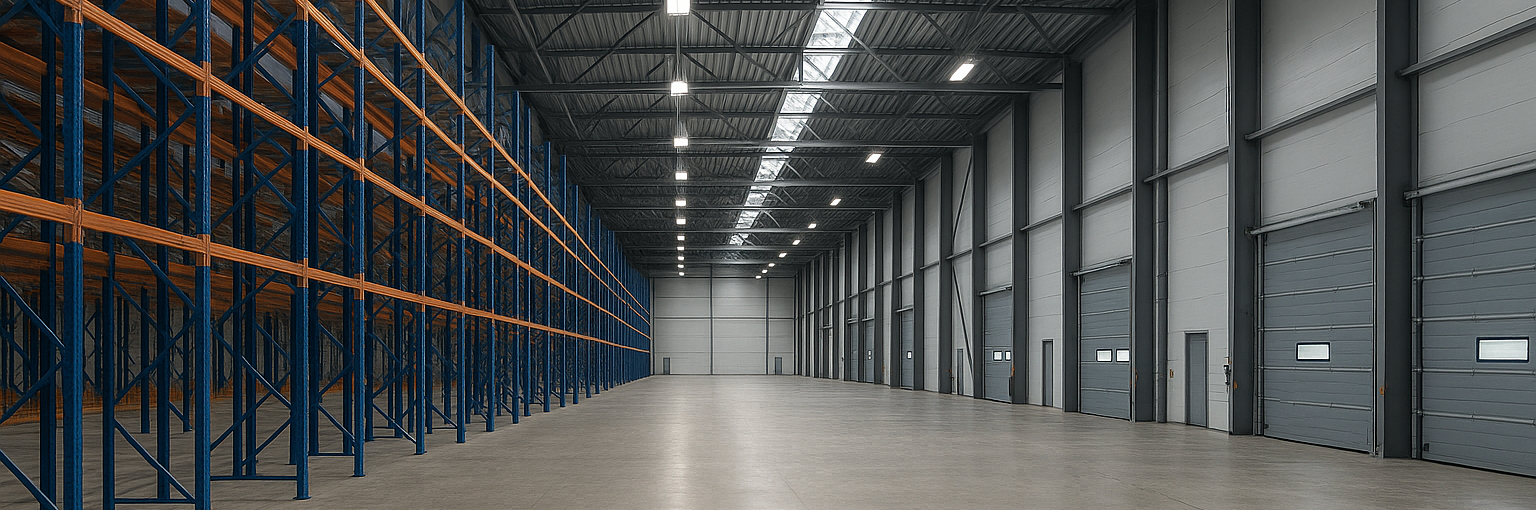
Washington State is a diverse and strategically vital region for logistics, manufacturing, and distribution. From the bustling ports of Seattle to the inland access of Spokane, businesses seeking warehouse space have a range of options tailored to different operational needs. Understanding the regional dynamics, cost factors, and strategic advantages of each area is key to making an informed investment in industrial real estate. This guide provides a comprehensive overview of what to consider when looking for warehouse space across Washington’s most active markets.
Seattle: The Gateway to the Pacific
As Washington’s largest city and a global trade hub, Seattle offers unmatched access to the Pacific Rim. Its port is one of the busiest in the nation, and its proximity to major interstates like I-5 and I-90 makes it a logistical powerhouse. Businesses that rely on international shipping, high-volume retail distribution, or tech-centric logistics benefit from locating near Seattle.
However, high demand has driven up costs. Space is limited, and lease rates often exceed $1.50 per square foot for Class A warehouses. The benefits of being in Seattle include speed to market and proximity to key partners, but success here depends on tight operational efficiency and advanced supply chain management, something Stryder USA excels in.
Spokane: The Eastern Economic Engine
On the opposite end of the state, Spokane is growing as a strategic logistics hub. Known for its affordability and regional access, Spokane offers lower lease rates—often under $0.75 per square foot—and access to markets in Idaho, Montana, and Canada. Its position along major highways and rail routes makes it ideal for companies that prioritize cost control and regional coverage over port proximity.
Spokane is particularly attractive for agricultural distribution, light manufacturing, and e-commerce warehousing. The business climate is supportive, and the available space often comes with flexible zoning and expansion potential.
Kent Valley: The Distribution Core
Nestled between Seattle and Tacoma, the Kent Valley is a logistical sweet spot. Its flat terrain and central location make it one of the largest and most efficient industrial zones in the Pacific Northwest. Companies here benefit from quick access to both ports and an extensive highway network.
Warehouse options in Kent include both small-scale distribution centers and massive fulfillment facilities. The area has seen strong investment from national logistics firms, which contributes to rising demand. It’s a prime area for companies that need rapid turnaround and high inventory throughput.
Tacoma: A More Affordable Coastal Alternative
Tacoma provides many of the same advantages as Seattle—port access, urban labor pools, and infrastructure—without the premium cost. Its location along the I-5 corridor and its role within the Northwest Seaport Alliance make it a key player in Washington’s supply chain ecosystem.
Warehouses here benefit from modern infrastructure, favorable zoning, and an industrial-friendly municipal environment. Tacoma is a smart choice for businesses that want the benefits of a port city without competing in Seattle’s overheated real estate market.
Tri-Cities and Yakima: Expanding Agricultural Reach
For companies involved in food processing, agriculture, or seasonal logistics, Central Washington regions like Tri-Cities and Yakima provide tailored opportunities. These areas offer vast land parcels, competitive labor costs, and easy access to both western and eastern distribution channels.
Though they lack direct port access, these regions are excellent for warehousing raw materials and processed goods before transferring them to port cities or final retail destinations. Their proximity to Washington’s agricultural heartland also supports temperature-controlled and specialty storage needs.
Key Considerations When Choosing a Location
When looking for warehouse space across Washington State, businesses should evaluate several critical factors:
- Transportation Proximity: How close is the facility to highways, ports, or rail terminals?
- Labor Availability: Are there enough skilled workers in the area to support your operations?
- Real Estate Costs: Does the market align with your budget and lease term flexibility?
- Infrastructure & Utilities: Is the facility equipped for your specific operational needs (e.g., climate control, automation)?
Partnering with experts like https://www.stryderusa.com ensures you can balance these variables and find the ideal space tailored to your business strategy.
Strategic Site Selection for Scalable Growth
Whether you’re a startup launching your first distribution center or a multinational expanding your footprint, Washington State offers versatile options from coast to inland. From Seattle’s tech-driven logistics environment to Spokane’s cost-effective growth potential, selecting the right warehouse location is about more than geography—it’s about aligning with your long-term operational goals. With strategic planning and the right local partnerships, you can secure a space that supports efficiency, scalability, and sustained success.