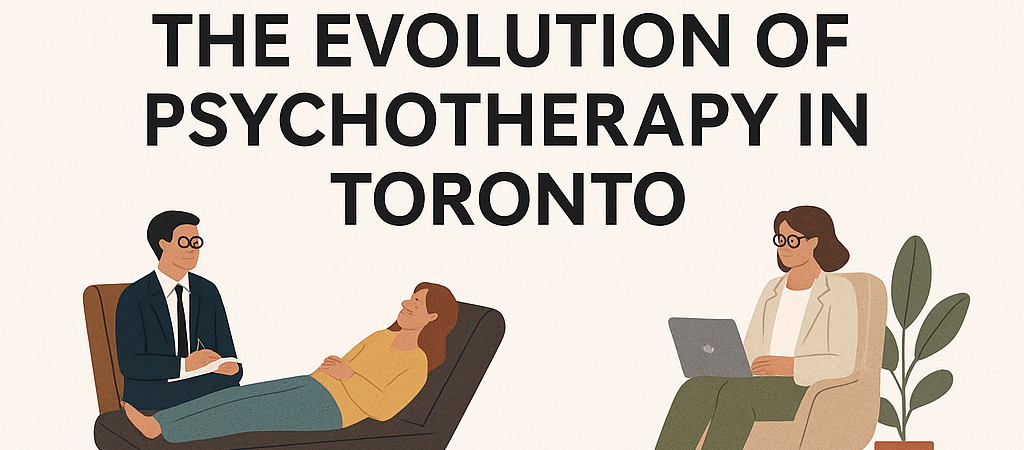
Toronto’s Mental Health Landscape: A Historical Perspective
Over the decades, Toronto has emerged as a hub for mental health innovation in Canada. From the early days of traditional psychoanalysis to today’s multifaceted therapy options, the city has mirrored—and at times led—global trends in psychotherapy. Historically, therapy in Toronto centered around conventional Freudian techniques, often focusing on long-term analysis of unconscious conflicts. These methods, though foundational, have since evolved to incorporate more dynamic and holistic approaches.
The 1960s and 70s saw the emergence of humanistic therapies, which emphasized client-centered care and personal growth. Influenced by thinkers like Carl Rogers and Abraham Maslow, Toronto therapists began prioritizing empathy, authenticity, and the therapeutic relationship itself as healing tools. This era marked a shift from pathology-focused therapy to one that valued individual potential and emotional well-being.
Modern-Day Modalities and Diverse Therapeutic Practices
Evidence-Based Approaches Gain Traction
As psychological research advanced, so did the practices adopted by Toronto therapists. Cognitive Behavioural Therapy (CBT) became widely popular due to its structured, results-oriented framework. CBT’s effectiveness in treating anxiety, depression, and phobias made it a go-to option for both public and private practitioners.
Dialectical Behaviour Therapy (DBT), another evidence-based approach, soon followed—particularly in treating borderline personality disorder and emotional dysregulation. These therapies reflect a larger trend toward integration of neuroscience and data-driven methodologies in modern practice.
Trauma-Informed and Culturally Competent Care
One of the most significant developments in Toronto’s therapy scene is the emphasis on trauma-informed care. Therapists now increasingly acknowledge the role of past trauma in shaping current behavior and emotional responses. Modalities like EMDR (Eye Movement Desensitization and Reprocessing) and Internal Family Systems (IFS) have grown in popularity for their efficacy in treating complex trauma.
Equally important is the rise of culturally competent therapy. Given Toronto’s status as one of the most multicultural cities in the world, therapists must now be adept at navigating the cultural nuances that influence mental health. This shift not only enriches therapeutic outcomes but also fosters inclusivity and trust among diverse client populations.
Integrating Technology into Therapy
Technology has also reshaped the psychotherapy landscape in Toronto. Online therapy platforms, virtual sessions, and digital tools for mood tracking and mindfulness have made mental health support more accessible than ever before. The COVID-19 pandemic accelerated the adoption of these tools, and many therapists have continued offering virtual services, recognizing their convenience and effectiveness.
Apps that complement therapy, like guided journals or CBT-based platforms, are becoming standard parts of treatment plans. These tools extend the therapist-client connection beyond the office, creating ongoing support systems that enhance overall treatment outcomes.
Bloor West Therapy: At the Forefront of Psychotherapeutic Innovation
Nestled in a vibrant Toronto neighborhood, Bloor West Therapy exemplifies the city’s progressive approach to mental wellness. This practice integrates traditional wisdom with contemporary methodologies to provide comprehensive, personalized care.
Balancing Tradition with Innovation
While Bloor West Therapy respects the foundational principles of psychotherapy, it embraces newer, evidence-based techniques tailored to individual needs. Services offered include Cognitive Behavioural Therapy, Psychodynamic Therapy, Acceptance and Commitment Therapy (ACT), and IFS, among others. This diversity allows therapists to match clients with the approach best suited to their unique circumstances.
A Client-Centered and Inclusive Philosophy
The clinic is deeply committed to culturally sensitive and trauma-informed care. Therapists at Bloor West Therapy work to understand each client’s cultural identity and life experiences, ensuring therapy is not only effective but also respectful and affirming.
With options for both in-person and online sessions, the clinic meets clients where they are—both geographically and emotionally. Their flexible approach ensures accessibility for people balancing work, family, and personal well-being.
Supporting Long-Term Growth and Well-Being
Beyond symptom management, Bloor West Therapy focuses on fostering lasting change. Whether clients are working through grief, navigating career transitions, or seeking a deeper understanding of themselves, the clinic provides tools and guidance for long-term emotional growth.
Looking Ahead: The Future of Therapy in Toronto
As psychotherapy continues to evolve, Toronto stands poised to lead in blending technology, cultural awareness, and therapeutic innovation. Clinics like Bloor West Therapy are instrumental in this progress, continually adapting to the needs of their community while honoring the roots of their profession.
By embracing both the science and the art of therapy, Toronto’s psychotherapists are not just treating mental health—they’re transforming it. To explore how Bloor West Therapy can support your journey, visit https://bwtherapy.ca/.