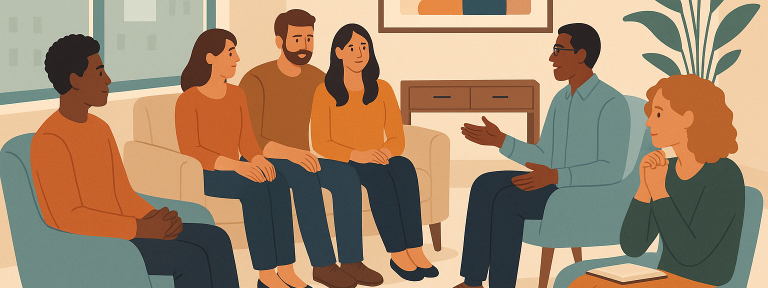
Difficult life experiences can affect people in ways that are not always visible to others. Someone may appear to be managing their daily responsibilities while privately experiencing worry, emotional exhaustion, or difficulty feeling comfortable in certain situations.
Trauma-related responses are deeply personal. Two individuals can experience similar circumstances and respond differently, depending on their histories, available support, and personal circumstances. Some people recover with time and support, while others experience emotional difficulties that continue long after an event has passed.
Understanding these differences is important because healing does not follow a universal schedule. Patience, emotional safety, supportive relationships, and appropriate professional guidance can help individuals navigate difficult experiences without unnecessary pressure.
Understanding How Difficult Experiences Affect People Differently
An experience that feels overwhelming to one person may affect another person differently.
Individual responses can be influenced by previous experiences, personal circumstances, relationships, and the support available during and after an event.
Some people experience sadness, fear, frustration, or uncertainty immediately. Others may initially feel emotionally disconnected or struggle to understand their reactions.
These differences do not indicate that one person’s experience is more legitimate than another’s.
For individuals exploring trauma counselling in Ottawa, understanding the personal nature of emotional responses can be an important starting point.
Not everyone who experiences a difficult event develops a trauma-related mental health condition. Emotional responses vary, and each person’s circumstances deserve individual consideration.
Why Emotional Responses May Continue After an Event
The emotional effects of a difficult experience do not always disappear when the event itself has ended.
Someone may continue feeling unsettled, worried, or emotionally sensitive even after their immediate circumstances have become safer.
Certain places, conversations, situations, or reminders may bring back uncomfortable feelings.
For example, someone may notice increased tension in situations that resemble an earlier stressful experience.
Others may experience difficulty concentrating, disrupted sleep, or changes in their emotional responses.
These reactions do not automatically indicate a particular diagnosis.
However, when emotional difficulties persist or interfere with everyday activities, additional support may be helpful.
Recognizing that emotional recovery can take time allows individuals to approach their experiences with greater understanding.
The Importance of Feeling Safe and Supported
A sense of safety can play an important role in emotional well-being following difficult experiences.
Safety may involve physical surroundings, predictable routines, supportive relationships, and the ability to make personal decisions.
For some individuals, having a quiet and comfortable environment can help reduce feelings of overwhelm.
Others may benefit from clear communication, consistent expectations, or reassurance from trusted people.
Emotional safety also involves feeling respected and having personal boundaries acknowledged.
People should not feel pressured to discuss experiences before they are comfortable doing so.
Supportive environments allow individuals to express their needs without judgment.
Although safety and support cannot eliminate every emotional difficulty, they can create conditions in which people feel more comfortable seeking help and exploring their experiences.
How Stress Responses Can Influence Everyday Life
Stress can affect thoughts, emotions, physical sensations, and daily behaviour.
Following an overwhelming experience, some individuals may notice heightened alertness, muscle tension, irritability, or difficulty relaxing.
Others may feel emotionally tired, withdrawn, or less interested in activities they previously enjoyed.
Stress responses can also influence relationships.
Someone experiencing emotional discomfort may find social situations demanding or need additional time alone.
Sleep difficulties and concentration problems may affect professional responsibilities, education, or household routines.
These experiences can arise for different reasons, so they should not automatically be attributed to trauma.
When symptoms become persistent or disruptive, a qualified professional can help explore possible contributing factors.
Understanding Trauma Responses in Children and Teenagers
Children and teenagers may express emotional distress differently from adults.
Younger children may have difficulty explaining their feelings and instead show changes in behaviour, sleeping patterns, or relationships.
Teenagers may experience challenges with concentration, emotional regulation, or social connections.
The National Child Traumatic Stress Network explains that children’s responses to traumatic experiences can vary according to their age, development, circumstances, and available support.
Importantly, not every child who experiences a frightening or overwhelming event develops ongoing traumatic stress.
Parents and caregivers can support children by maintaining appropriate routines, listening without judgment, and offering age-appropriate reassurance.
Persistent difficulties affecting a child’s daily life may warrant consultation with a qualified mental health professional.
Why Healing Should Not Be Compared With Someone Else’s Journey
It can be tempting to compare personal progress with how others appear to recover from difficult experiences.
However, emotional healing is not a competition or a process with a fixed deadline.
One person may feel comfortable discussing their experiences relatively quickly, while another may need more time.
Some individuals notice gradual improvements, while others experience periods of greater emotional difficulty.
Progress may also look different depending on personal goals.
For one person, progress might mean feeling more comfortable in social situations. For another, it could involve better sleep or greater confidence expressing boundaries.
Respecting these differences helps reduce unnecessary expectations and encourages a more compassionate approach to recovery.
Developing Healthy Coping Strategies and Supportive Relationships
Healthy coping strategies can help individuals manage difficult emotions and everyday stress.
These strategies should reflect personal preferences and circumstances rather than follow a rigid formula.
Some people benefit from gentle physical activity, spending time outdoors, or maintaining consistent sleep routines.
Others find comfort in creative activities, journaling, relaxation exercises, or mindfulness practices.
Supportive relationships can also be valuable.
Talking with trusted friends or family members may provide emotional connection and reduce feelings of isolation.
However, support does not require someone to share every detail of their experiences.
Respecting privacy and personal boundaries is essential.
Small, manageable changes are often more sustainable than attempting to introduce several new routines simultaneously.
What Trauma-Informed Counselling Means
Trauma-informed counselling is an approach that recognizes how overwhelming experiences may influence emotional well-being, relationships, and a person’s sense of safety.
Rather than assuming everyone responds similarly, trauma-informed care emphasizes individual needs and experiences.
Important principles include emotional safety, trust, collaboration, personal choice, and respect for boundaries.
A trauma-informed professional considers how counselling conversations and therapeutic approaches may affect the individual.
The goal is to create an environment where clients feel respected and involved in decisions about their care.
This approach does not require people to immediately discuss painful experiences.
Instead, it recognizes that building comfort and trust may be an important part of the counselling relationship.
How Professional Counselling May Provide Support
Professional counselling can offer a confidential setting for exploring difficult emotions, personal experiences, and ongoing challenges.
A counsellor may help someone reflect on emotional patterns, identify sources of stress, and consider coping strategies suited to their circumstances.
For individuals in Kanata, Manotick, and the greater Ottawa area, Juniper Counselling provides counselling and psychotherapy services, including support related to trauma and emotional well-being.
Professional support may be worth considering when distress continues, relationships feel increasingly difficult, or everyday responsibilities become harder to manage.
Counselling cannot guarantee that painful memories or emotional challenges will disappear.
However, it can provide opportunities for reflection, understanding, and supportive exploration of personal experiences.
Why the Pace of Counselling Should Respect Individual Needs
A respectful counselling process recognizes that individuals differ in their comfort levels, goals, and readiness to discuss difficult experiences.
Some people may initially want to focus on managing everyday stress or developing a stronger sense of emotional stability.
Others may feel ready to explore particular experiences in greater depth.
Counselling should involve collaboration and clear communication about personal preferences.
Clients may need time to establish trust, ask questions, and understand the approaches being considered.
Feeling pressured to share sensitive information before being ready can undermine the sense of safety that supportive care aims to establish.
An individualized pace allows the counselling process to reflect each person’s needs rather than predetermined expectations.
Conclusion: Healing Deserves Patience, Understanding, and Respect
Trauma and emotional responses are complex, and difficult experiences do not affect everyone in the same way.
Some people find that distress gradually becomes easier to manage, while others benefit from additional emotional or professional support.
Recognizing personal boundaries, developing healthy coping routines, and maintaining supportive relationships can contribute to emotional well-being.
Most importantly, healing should not be measured against someone else’s expectations or timeline.
By approaching difficult experiences with patience, compassion, and respect for individual needs, people can create space for understanding, connection, and meaningful personal progress.